Highlighting Background and Beliefs
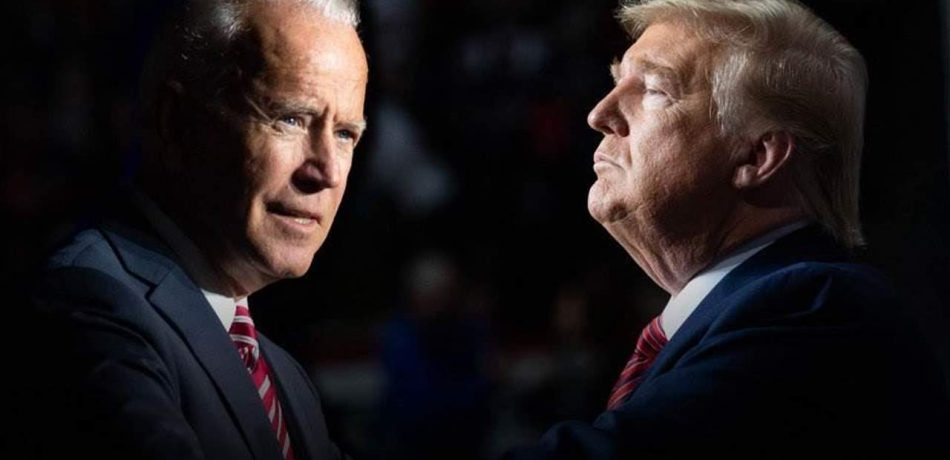
Trump’s Political Ideology
As the 45th President of the US, Donald Trump posited drastic cuts to regulations under the banner of stimulating economic prosperity. He rose to power with a platform that emphasized deregulation and growth as the theme of economic development at the expense of environmental concerns. In his course as vice president, Trump steps forward various sets of policies, with the reduction and denial of the significant level of climate change as the background. The administration headed by him tried to make the sector of fossil fuels more potent by removing obstacles to extraction, minerals, emissions, and standards. Donald Trump’s action of taking out the United States from the Paris Agreement, which is a UN global deal to help check climate change, has once again shown that his administration is unwilling to participate in the world projects that help tackle environmental challenges like climate change.
Biden’s Political Ideology
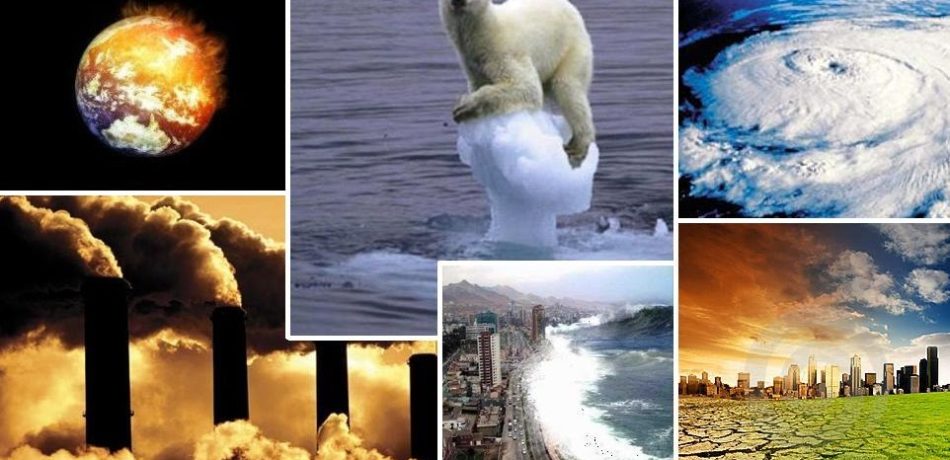
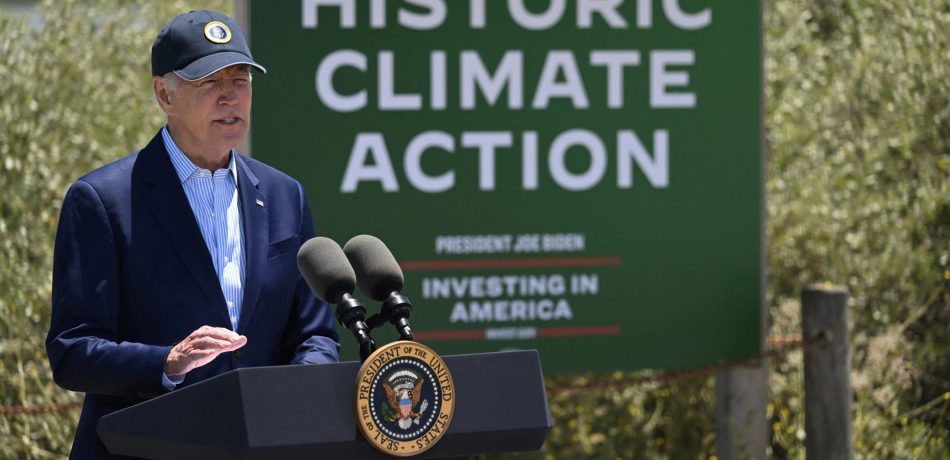
On the contrary, the 46th President of the United States, Joe Biden, has set foot forward as one in favor of a feasible environment and effective fight against climate change. Being a career public servant for decades and even having served as Vice President of the United States together with Barack Obama, Biden proposed policies that would lead to lower greenhouse emissions, to start using renewable energy, and to promote environmental justice. Among the key components of his campaign platform were his ideas on rejoining the Paris Agreement, establishing a green infrastructure, and moving to a carbon-free economy. Biden’s election as the President in 2020 exemplified the turnaround in America’s climate policies at home, which marked the start of a new era characterized by environmental conservation and international partnerships.
The Trump and Biden policies on climate change and environmental protection edify the main fault line of American politics as well as the prospects of resolving the overall ecological issues. With climate change increasingly affecting the United States and the aspiration of leaders to transition to a greener future on the rise, it will be the policies and decisions that they choose that will largely dictate the fate of the nation.
Trump and Biden: Policy Goals
Trump and Biden’s differing approaches to climate change and environmental regulation reflect a broader ideological gap in American democracy, which highlighted the importance of addressing environmental threats. With less than a month until the 2020 elections, both candidates have outlined their policy goals. Trump emphasizes job creation and energy dominance, resulting in changes to climate, air quality, and water regulations that prioritize economic growth over environmental concerns. Conversely, Biden proposes a “clean energy future,” aiming for a carbon-free power sector by 2035 and prioritizing climate and ecological justice. The outcome of the elections will influence the trajectory of environmental stewardship for future generations.
The Act of Congressional Review
The Congressional Review Act (CRA) is important because Congress can overrule executive branch regulation with a majority vote. One of these rules was in the direction of the Trump administration; it was about policies, especially those that were announced close to the end of the session. With regard to the Trump administration’s environmental and energy policies, they were faced with significant challenges under a Biden presidency or the next Congress as the latter assumed power. The significance of CRA rests on the result of congressional elections and the state of the balance of power in Congress.
The CRA could be one way for Congress to assert its power and cancel or reject some of the Trump administration’s regulations. Still, the actual impact depends on the political climate and future priorities of the next Congress. Biden’s environmental policy, if it is implemented, will result in many changes in environmental policy, and it will be able to reverse some of the Trump administration’s deregulatory actions and focus instead on the cutting of greenhouse emissions and the protection of the environment. In the context of elections, the US’s energy and environmental plan had been a subject of debate, with possible implications for climate change reduction and environmental administration.
Conclusion
In conclusion, the diverging approaches taken by Trump and Biden in policy and environment regulation determine a crucial crossroads in American politics and, more so, in global environmental care. Hence, in addition to the direct political environment, climate change policy and other global environmental issues are also indirectly affected, which in turn influence international cooperation, sustainable development efforts, and the global response to the most pressing issue of our times.