Trump’s Administration Preferences
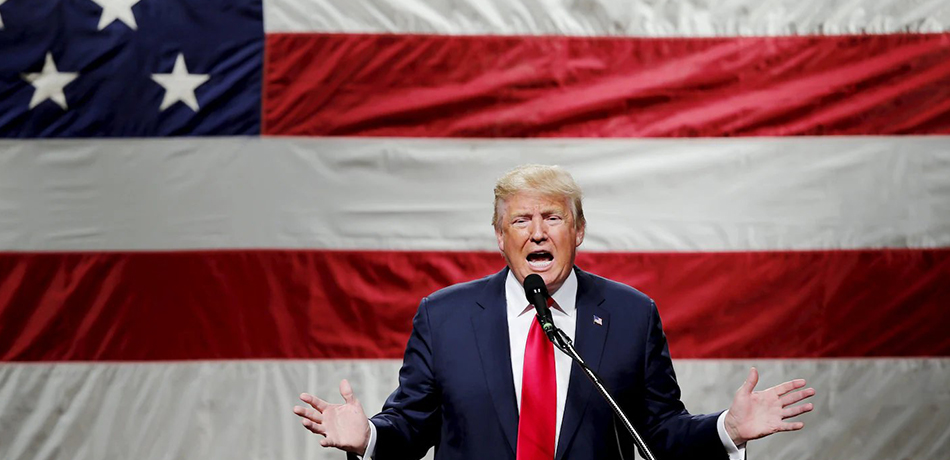
Trump’s presidency has undisputedly left a deep and multifaceted mark on U.S. foreign relationships and global alliances that shaped the direction of international politics in ways that will not fade quickly for years to come. President Trump’s foreign policy approach, encapsulated by his “America First” mantra, focuses on what is best for America comes first, then the needs and interests of other countries. This ideology resonates with many domestic supporters but often causes damage to international relationships by not following the norm of dealing with other countries.
One of the hallmarks of Trump’s foreign policy was his administration’s tendency to take action unilaterally and give priority to dealing with individual countries over multiple nations. He changed how things work in diplomacy by departing from critical agreements, including the Paris Climate Agreement and the nuclear deal with Iran. Trump’s skeptical attitude toward multilateral organizations like the United States showed his preference for making decisions solely without relying too much on other countries or international groups.
Damage to Global Trade Relations
Trump’s foreign policy approach was felt aggressive in the sphere of international trade. His administration trait wanted to fix what he saw as an unfair trade practice by other nations like China. The consequences of this appear as tariffs on a wide list of products that were imported into the United States. This practice triggered the affected nations, and they did the same by putting taxes on American goods. This has worsened the trade relations among the countries and caused numerous problems around the globe.
Criticism of U.S. - Mexico Border Project
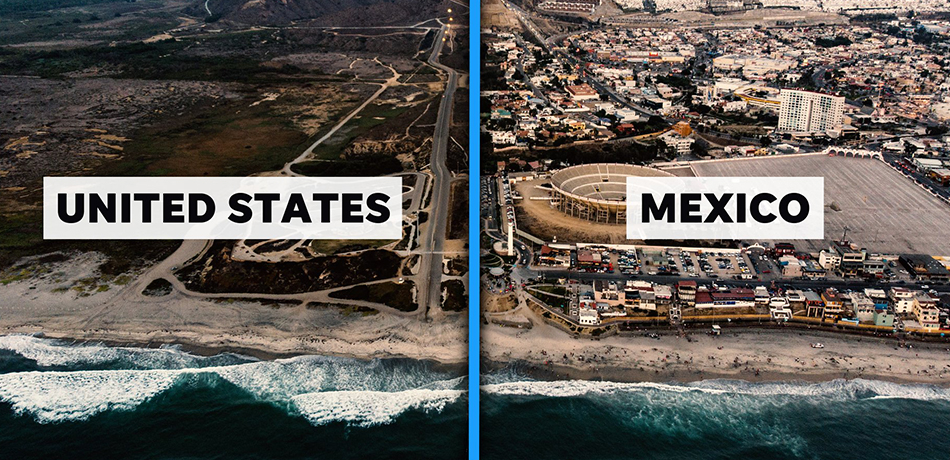
Trump’s management of border security and immigration had prominent implications for U.S. relationships with other countries, notably Mexico. The construction of a border wall between the U.S. – and Mexico border, Trump’s presidential campaign highlights with the central promise to stop illegal immigration within the countries. Furthermore, this project received criticism both domestically and internationally, which strained trading relationships with Mexico, along with debates about immigration laws among their residents.
Relationship of Trump and Twitter
Adding more to his policy decisions, Trump’s personal touch of diplomacy has also had a significant impact on U.S. foreign relations. His frequent use of Twitter to communicate directly with the public and foreign leaders instead of using traditional diplomatic channels often led the world into confusion and uncertainty about U.S. policy positions. Also, it is frequently seen by the world that Trump doesn’t follow the norms for how countries talk to each other, which made America seem less like a strong leader who cares about democracy.
The Biden’s Era
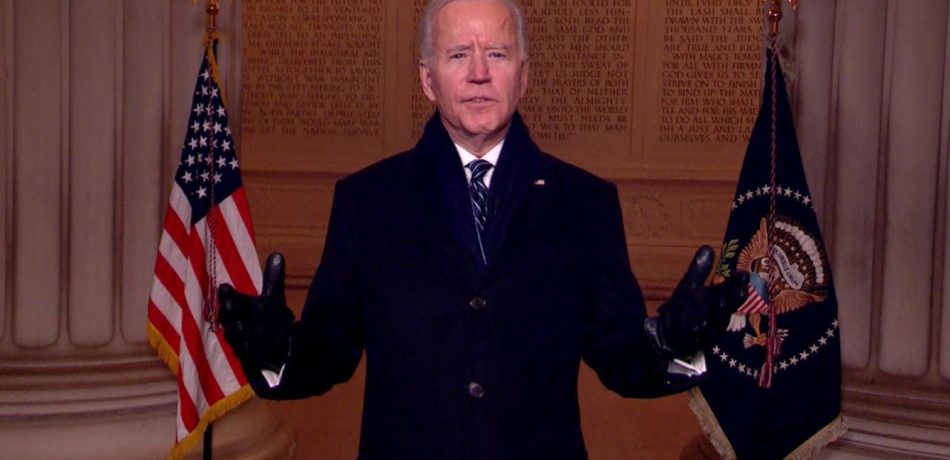
As the Biden administration assumes office, it faces the daunting task of repairing the damage done to U.S. foreign relations and restoring America’s standing on the world stage. Rebuilding trust with allies will require a concerted effort to reaffirm America’s commitment to multilateralism and collective security. This will likely involve rejoining international agreements and organizations that Trump withdrew from, such as the Paris Climate Agreement and the World Health Organization.
Moreover, the Biden administration must address the underlying grievances that fueled Trump’s brand of populism and nationalism, including concerns about trade imbalances, immigration, and the perceived decline of American influence in the world. By addressing these issues head-on and engaging constructively with allies and partners, the Biden administration has an opportunity to chart a new course for U.S. foreign policy—one that is grounded in cooperation, diplomacy, and a commitment to addressing shared global challenges.
Is There Any Cure?
The impact of the Trump presidency on U.S. foreign relations and global alliances has been woven with layers of threats. His ideology of putting America first sounds okay to a few, but it also makes things rocky internationally with other nations.
As Biden holds the charge now, he has to fix a lot of the things that have been messed up in the past four years. He now must gain the trust of nations with whom relations have strained in the past to show that the United States is a reliable Ally to the other countries.
Accepting the complexities that arose from the Trump era and embracing the lessons to learn from mistakes in the past, the Biden administration can cover the way to make international affairs stronger than before. With strategic diplomacy and principled leadership, the U.S. state has the potential to achieve its position as a trusted nation.