The Change in Election Campaigns
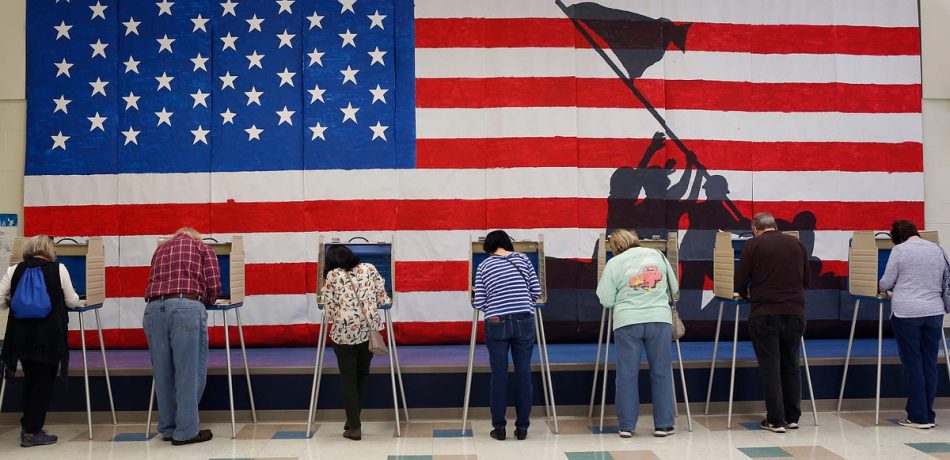
In the past few years, the overall outlook of U.S. politics has been influenced by social media platforms such as X, Facebook, and Instagram. These social media platforms have become requisite channels for politicians, candidates, and voters to connect. With millions of users engaging across the platform, social media has transformed the way how political information is disseminated, and elections are conducted.
Gone are the days when political campaigns had to rely solely on traditional media channels to reach their voters. Now, social media serves as a battleground for political discourse, where ideology crashes, narratives are shaped, and public opinion is swayed.
The impact that social media has created on the U.S. election campaign is profound, fundamentally altering the way candidates interact with voters and shape public discourse. These platforms have introduced an innovative approach for political parties to connect with their supporters. Through targeted advertising on these platforms, you can tailor your message and deliver it to your specific demographic, maximizing the chances of reaching your potential supporters.
Along with advertisements, the use of influencer endorsements has also arisen as a potent strategy in modern politics and election campaigns. These endorsements are held by influencers who already have a substantial following, and they promote your political party’s ideology to the public, which helps you win the trust of people. This strategy is still practiced in the U.S., but it’s receiving criticism and ethical questions regarding transparency and authenticity in political discourse.
History of Social Media Influence on U.S. Politics
2008 Presidential Election:
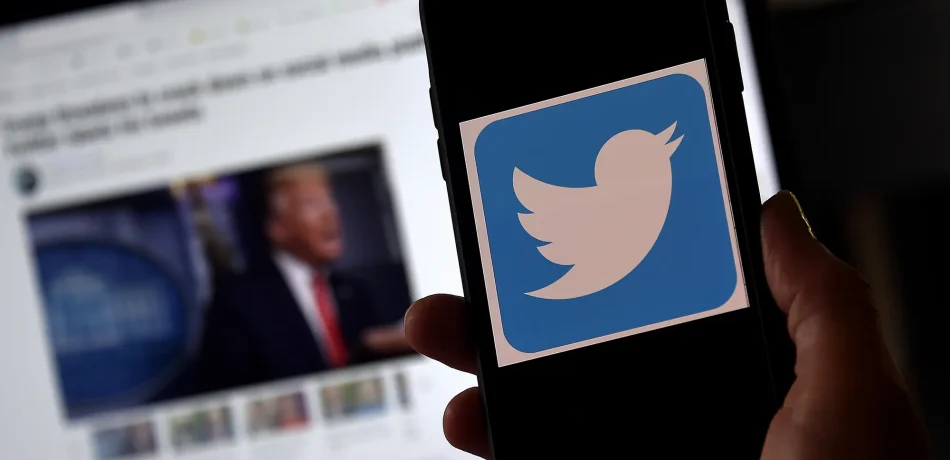
Adding more to his policy decisions, Trump’s personal touch of diplomacy has also had a significant impact on U.S. foreign relations. His frequent use of Twitter to communicate directly with the public and foreign leaders instead of using traditional diplomatic channels often led the world into confusion and uncertainty about U.S. policy positions. Also, it is frequently seen by the world that Trump doesn’t follow the norms for how countries talk to each other, which made America seem less like a strong leader who cares about democracy.
2010 Tea Party Movement
The Tea Party Movement in 2010 gained momentum via social media platforms in which members demonstrated their grassroots conservative activism, which was one of the signature indicators of this movement’s success. Protesters used social media platforms like Facebook and Twitter to recruit supporters, disseminate information, and arrange demonstrations, and doing so drastically influenced the political environment.
2016 Presidential Election:
In 2016, social media skyrocketed, with Donald Trump’s campaign spearheading the trend. Trump’s use of Twitter attracted many people’s attention, where he directly connected with his devotees and bypassed the mainstream media to build his own narratives of the elections.
2018 Midterm Elections:
By the midterm elections of 2018, social media had been significantly involved, with candidates and political organizations leveraging platforms to connect with voters, raise funds, and promote their messages. On the other hand, the issue of the misuse of social platforms as a source of disinformation has recently come up as one of the problems in this election.
2020 Presidential Election
By the midterm elections of 2018, social media had been significantly involved, with candidates and political organizations leveraging platforms to connect with voters, raise funds, and promote their messages. On the other hand, the issue of the misuse of social platforms as a source of disinformation has recently come up as one of the problems in this election.
The Impact on Voter Behavior
Social media has contributed mainly to the way we vote, and this topic has been studied in many researches, including the influence on voter turnout, political polarization, and the development of echo chambers. Researchers have discovered that written and visual information on social media can both encourage and discourage voters. Despite their ability to bring political information closer to voters and promote civic participation, they can also be responsible for isolation, as well as inaccuracy.
Explanation of the impact of media on voter conduct is a sure way to understand fully the nature of current political processes and the development of efficient approaches to enable more reasonable public participation. Educators, researchers, and key players within society have to research, evaluate, and safeguard the democratic political process, which comes under threat from social media manipulation.